



When it comes to eating healthy and maintaining energy, the old adage holds true: your body knows best. Learning to listen to your hunger cues is one of the simplest and most effective ways to achieve balance, avoid overeating, and make choices that truly nourish and energize you. Add to this a balanced diet with the right mix of macronutrients—proteins, carbs, and healthy fats—and you’ll be on track toward steady energy and vitality. And for a power-up, incorporating just 20 minutes of EMS (Electrical Muscle Stimulation) training each week can take your energy and fitness to new heights.
Why Listening to Hunger Cues Matters
Your body is a highly intuitive system that sends reliable signals to help you understand when it’s hungry or full, when it’s tired, and even when it needs specific nutrients. Ignoring these cues—whether due to stress, dieting rules, or a busy schedule—can lead to overeating, under-eating, or relying on less nutritious foods for convenience.
By tuning in to your hunger cues, you can learn to differentiate between true hunger and emotional cravings, helping you make better food choices and promote overall health.
Recognize Your Hunger Signals
Hunger is more than a growling stomach. Your body might signal hunger in several ways:
- Physical cues: Feeling lightheaded, fatigued, or noticing a dip in energy.
- Mental focus: Trouble concentrating or feeling irritable, also known as “hanger.”
- Stomach sensations: Obvious signs like a rumbling stomach or an empty feeling.
Paying attention to these signals is key. The next step? Pair your hunger awareness with smart nutritional planning to fuel your body.
The Role of Macronutrients in Steady Energy
Balanced meals built around the three major macronutrients—protein, carbohydrates, and healthy fats—are the foundation of optimal energy throughout the day. Each macronutrient plays its part in keeping you satisfied and fueled.
1. Proteins for Power and Repair
Protein is your body’s building block. It helps repair muscles, supports your immune system, and keeps you feeling full longer. Including quality protein in every meal can help minimize energy dips and satisfy hunger.
Simple Protein Ideas:
- Grilled chicken or turkey breast
- Eggs or egg whites
- Plant-based proteins like tofu, tempeh, or lentils
- Yogurt, cottage cheese, or protein powder for smoothies
2. Carbohydrates for Quick and Sustained Energy
Carbs often get a bad rap, but they’re vital for energy. Your body turns them into glucose, your primary fuel source. Choosing complex carbohydrates, like whole grains and vegetables, helps stabilize blood sugar levels and prevents sudden spikes or crashes.
Example Carbs:
- Quinoa, brown rice, or farro
- Whole-wheat bread or pasta
- Sweet potatoes, oats, or legumes
- Fresh fruits like berries, apples, or oranges
3. Healthy Fats for Satiety and Brain Health
Fats are essential for brain function and long-lasting energy. Healthy fats also keep meals satisfying, helping you avoid cravings later in the day. Just keep portion sizes moderate, as fats are calorie-dense.
Healthy Fat Sources:
- Avocados
- Nuts and seeds (like almonds, walnuts, or chia seeds)
- Olive oil, coconut oil, or nut butters
- Fatty fish like salmon or mackerel
Practical Tips to Support Hunger Cues and Balance Meals
While understanding macronutrients is crucial, how you structure your meals and overall eating habits can make a big difference. Here are some helpful strategies:
1. Plan Your Meals Around Macronutrients
When prepping meals, aim to include a source of protein, carbohydrates, and healthy fats. For example:
- Breakfast: Whole-grain toast with avocado and a boiled egg
- Lunch: A quinoa salad with grilled chicken and olive oil dressing
- Dinner: Salmon with roasted sweet potatoes and sautéed spinach
Pre-planning meals—or at least ensuring your kitchen is stocked with good food choices—reduces the risk of grabbing highly processed snacks or meals out of convenience.
2. Eat When You’re Hungry, Not When You’re Bored
The distinction between physical hunger and emotional eating can be tricky. Before reaching for a snack, ask yourself:
- Am I physically hungry, or am I bored, stressed, or tired?
- Will this food nourish my body, or am I eating to soothe an emotion?
Stay mindful, and focus on foods that are high in nutrients when true hunger strikes.
3. Stay Hydrated
Thirst can sometimes masquerade as hunger, leading to unnecessary snacking. Sip water throughout the day, and include hydrating fruits and veggies—like cucumbers, watermelon, or celery—in your meals.
4. Practice Mindful Eating
Eating mindfully means being present as you eat. Slow down and savor each bite instead of rushing through meals. This allows your brain to catch up with your stomach, signaling when you’re full. It also helps you appreciate your food more, creating a positive relationship with eating.
5. Keep Healthy Snacks on Hand
When hunger hits between meals, it’s beneficial to have nutritious options readily available. Try:
- Greek yogurt with a handful of nuts
- Fresh veggie sticks with hummus
- A hard-boiled egg and a piece of fruit
EMS Training as a Lifestyle Booster
While eating strategies form the foundation, adding physical activity to your routine can multiply the benefits. One quick but highly effective way to stay fit and energized is with EMS training.
What Is EMS Training?
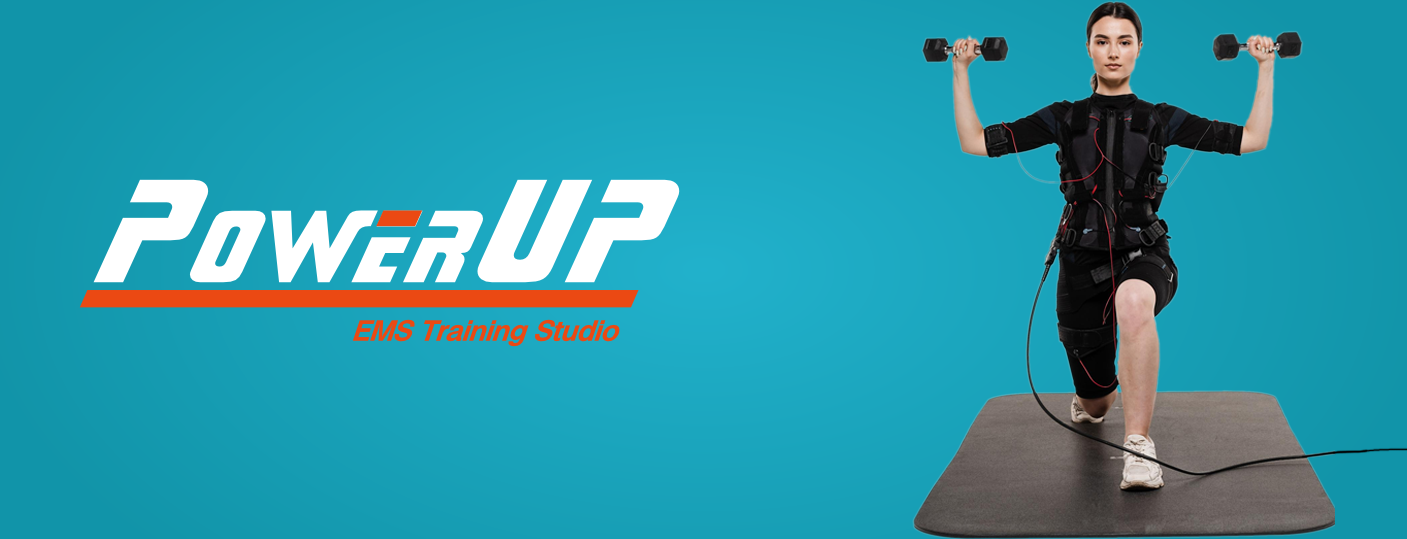
EMS training involves wearing a suit with electrodes that send electrical impulses to your muscles, simulating their natural contraction process. This method enhances muscle engagement during workouts and saves time due to its efficiency.
Why 20 Minutes of EMS Training a Week?
- Time-Saving Gains: EMS activates deep muscle layers with just 20 minutes of training—equivalent to hours in the gym.
- Improved Circulation: Better blood flow means more oxygen and nutrients delivered to your muscles and energy systems.
- Strength Building and Fat Burning: EMS training not only tones muscles but also boosts your metabolic rate post-session.
- Joint-Friendly: It’s low-impact, making it suitable for people of all fitness levels.
Whether you’re combining EMS with cardio or strength exercises, it can complement your diet perfectly, ensuring the nutrients you consume are used efficiently to build strength and stamina.
A Balanced Lifestyle for Energy and Wellness
Nourishing your body doesn’t have to feel complicated. By taking the time to tune into your hunger cues, choosing meals rich in proteins, carbs, and fats, and adding just 20 minutes of EMS training each week, you can create a lifestyle built around steady energy, vitality, and well-being.
Final Thoughts
Your body is an incredible machine, constantly communicating its needs. The more you practice listening to those hunger cues and pairing them with purposeful nutrition, the more balanced and energized you’ll feel. And when combined with the efficiency of EMS training, you have a clear recipe for health and success.
How do you stay in tune with your hunger? Share your tips—and don’t forget to fuel your next workout with colorful, nutrient-filled foods that nourish and energize every day. You’ve got this! 💪